
Published October 20, 2026 05:45PM
What to know: Chiricahua is the first new U.S. national park in six years. The bill to redesignate Chiricahua National Monument as America’s 64th national park was passed by the Senate on September 30, 2026, and signed by President Trump on October 20. Our writer shares what it’s like to visit Chiricahua, hiking its winding trails alongside towering rock pinnacles and incredible biodiversity. Chiricahua, located 120 miles east of Tucson, is now the state’s fourth national park, joining Grand Canyon, Petrified Forest, and nearby Saguaro. Chiricahua is pronounced cheer-uh-KAH-wuh (or cheery-cow-ah).
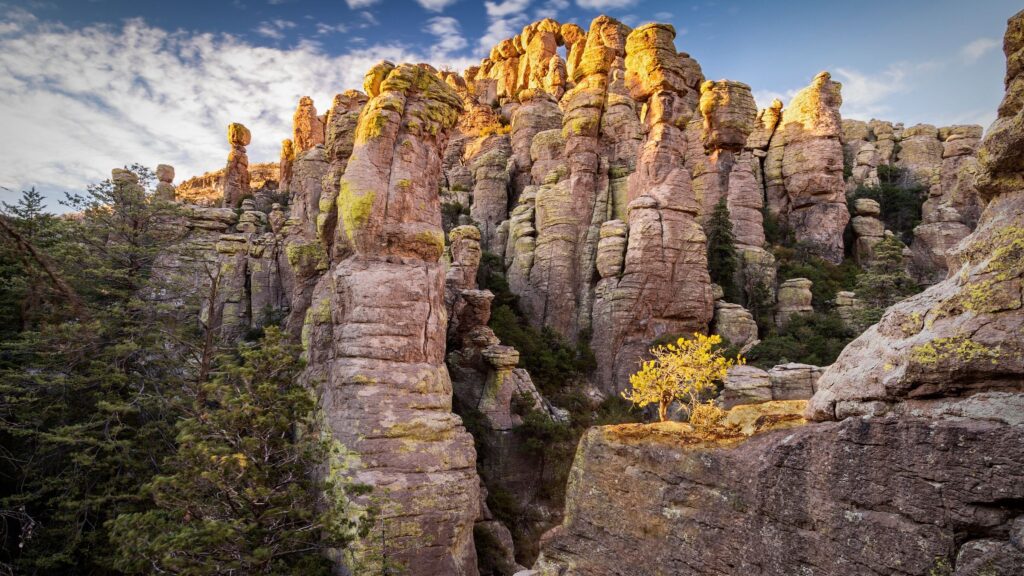
The trail we are hiking isn’t strenuous, but my husband and I, committed-relationship status as fresh as the snow under our feet, are struggling for words. Rock stacks rise above our heads, and hundreds of pinnacles dot the landscape beyond. Boulders splashed with lime green and black lichen perch nonchalantly atop each other, and canyons wind around rusty outcrops. Being in the middle of Chiricahua National Monument feels like being dwarfed by a sea of massive navigation cairns and those knobby towers of dribbled sand children make at the beach.
The Apache name for this place translates to “Land of Standing-Up Rocks.” It’s a succinct, accurate description compared to what our pens scribble in the first pages of our joint adventure journal.
Exploring Chiricahua National Monument will become a core experience on our honeymoon trip and, standing in the forest of stone searching for ways to voice our amazement, we know it.
Memories of that mesmerizing hike, which we did this past February, rushed back into our minds today. On October 20, 2026, 102 years after it was first named a national monument, Chiricahua became the first new U.S. national park in six years.
Chiricahua National Park, A New National Park Is Named
The bill to redesignate Chiricahua National Monument, located 120 miles east of Tucson, as a national park was passed by the Senate on September 30, 2026, and signed by President Trump on October 20, 2026. To those with personal, historical, and scientific ties to Chiricahua, this is a big moment.
A monument is designated by a president—in Chiricahua’s case Calvin Coolidge— via the Antiquities Act of 1906, often to protect a singular specific resource. To be eligible for national park status, a place usually boasts a vast chunk of scarce resources or a particularly scenic landscape worth protecting. From the ground on the Echo Canyon trail, one of several trails of varying difficulty that weave through boulder spires, the natural and recreational value of Chiricahua is obvious.
Despite other areas of significant natural and historical beauty also in the race to become America’s 64th national park, Chiricahua is special, and not only to us. The monument contains rich history, including ties to the Chiricahua Apache people. Archaeologists are still discovering who once walked through this landscape and how it was used.
The geological surprises around every corner are the most noticeable draw, but hiking through the unique blended landscapes and environments gives an intimate view of the incredible exhibition of biodiversity it supports.
What’s It’s Like Hiking Chiricahua National Park
During our late February visit to Arizona, the southeastern corner of the state is blanketed under a fresh snowfall, so we have the trails to ourselves. The cool shoulder seasons are the best times to stroll through the park: spring for wildflower season and fall for the quieter trails and more availability at the park’s only place to stay, Bonita Canyon Campground. The campground facilities may be limited to water, flush toilets and garbage bins, but its beautiful shady pine and oak setting is just a taste of the stunning landscapes awaiting up the road.
Chiricahua National Park blends four distinct ecoregions—two deserts (Sonoran and Chiricahuan) and two highland regions (Rocky Mountains and Sierra Madre)—into a unique mix of flora and fauna. Here, where many Mexican bird species are at the northern end of their range, the birding is fantastic.
As we hike, the habitats evolve from cacti meadows to blooming manzanita thickets to towering pine forests exuding spice as the sun gains strength. We keep one eye trained on the hoodoos, one peeled for wildlife, hoping to spot a Chiricahua fox squirrel, coatimundi, rattlesnake or javelina, but the diverse wildlife that call the park home don’t seem to be fans of the winter conditions either.
Our surroundings are also evolving as we walk. One moment we have an expansive view of the hazy blue desert beyond the range, overlooking expanses of burned landscapes. A little later, we are deep in a tan canyon, twisting around weathered columns. We round a corner and Duck-on-a-rock, with its long bill perched high above the trees, is an easy landmark to identify within a sea of natural splendor.
The stacked rhyolite and vast rolling landscapes of this mountain range—one of several desert isolated high altitude ranges known as Sky Islands—tell of a turbulent geological history. It’s hard to imagine violent volcanoes creating the otherworldly landscape framing the peaceful, sun dappled paths.
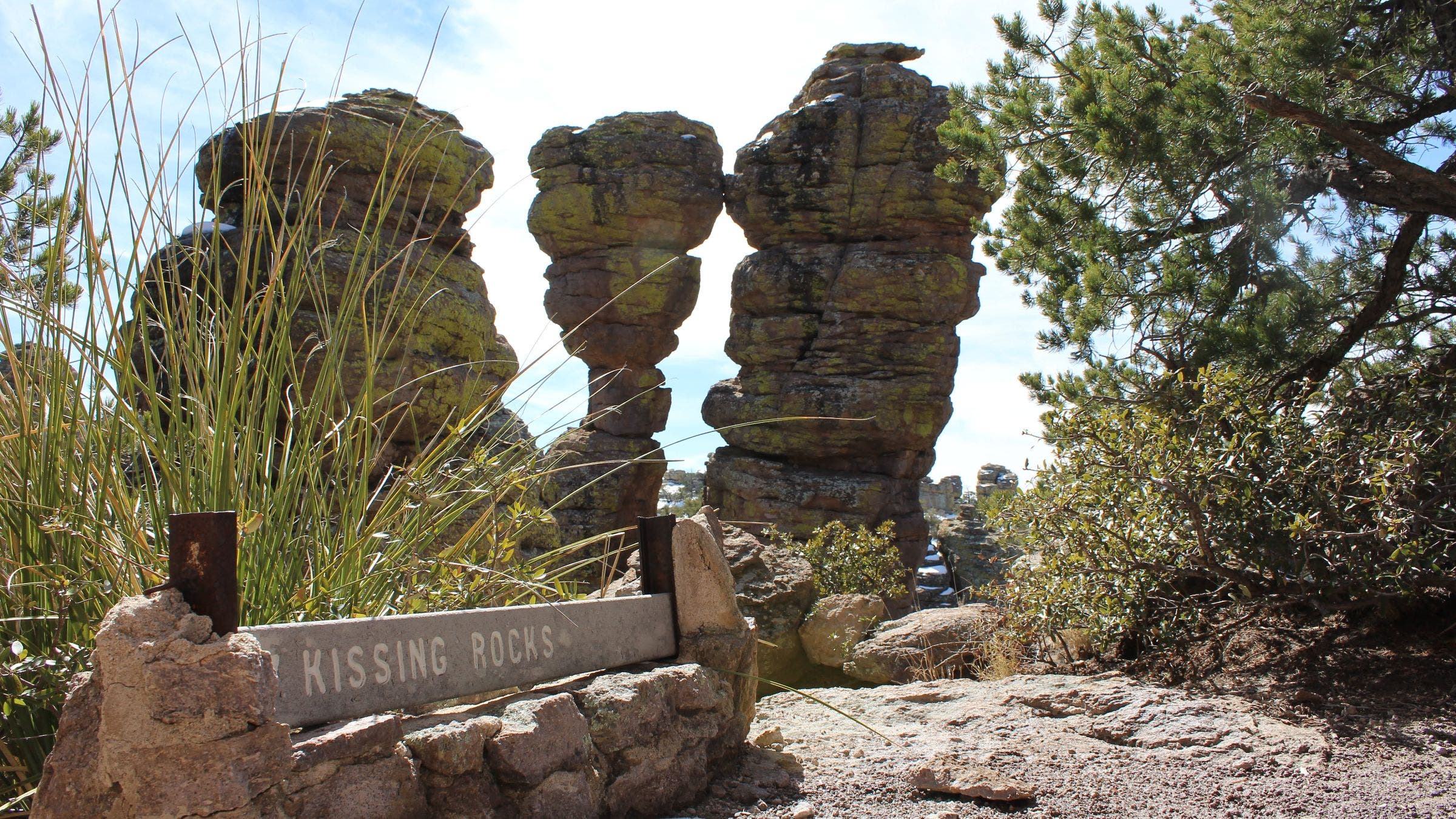
Two rocky columns appear along the trail, leaning in for what looks like an eternal kiss. There’s no one around, so we take the inspiration for a smooch. We are on our honeymoon, after all.
What Does National Park Status Mean for Chiricahua National Monument?
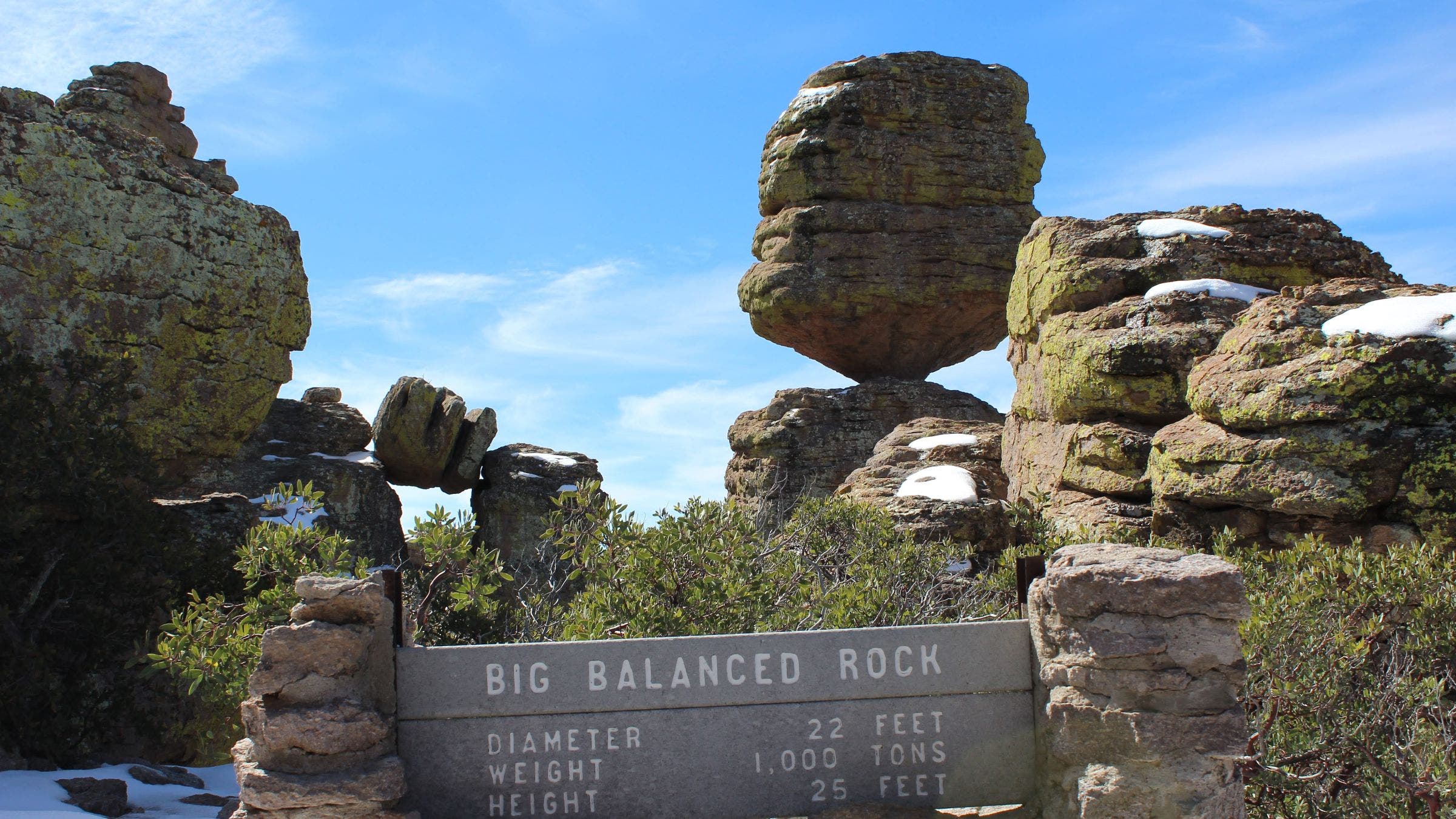
Our rambling route, from Mushroom Rock to the Heart of Rocks Loop, takes us past gravity-defying stacks sculpted over time by wind and water. We wonder if an ancient or historical someone once stood in this spot, also agape at the Big Balanced-Rock, a massive boulder precariously perched atop a monolith. Given the Chiricahua’s Indigenous and recorded pasts, it’s highly likely.
Becoming a national park is a big deal for a well-deserving gem like Chiricahua, is now the state’s fourth, joining Grand Canyon, Petrified Forest, and nearby Saguaro. The status will benefit southeastern Arizona’s recreational economy by attracting tourists, but it’s also about preserving the unique landscape and its inhabitants.
Chiricahua National Park is no stranger to protection efforts. The Civilian Conservation Corps, a result of President Franklin D. Roosevelt’s Depression-era program to both create employment and help protect and develop resources, were key in preserving the ancient pinnacles my new husband and I crane our necks at. Today, scientists continue to track water resources and actively manage invasive plant species with deceptively cute names like Malta starthistle and Lehmann lovegrass.
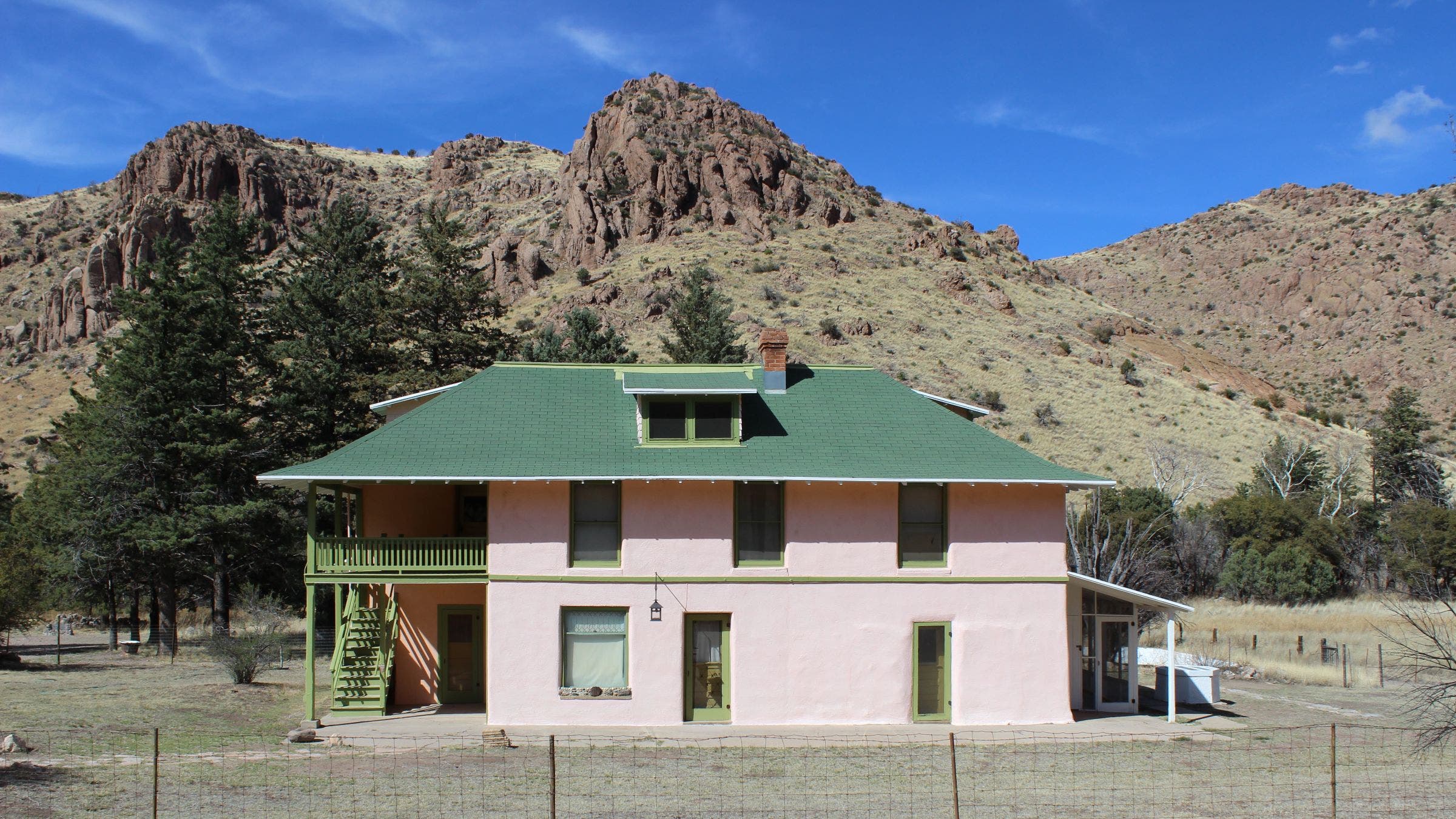
Eventually, we tear ourselves away, mindblown. On the scenic drive out of the park, the Faraway Ranch house—once an early homestead turned dude ranch and now a historic point of interest—flashes by. The last operators of the ranch, Lillian Erickson and her husband Edward Riggs, were always convinced the grandeur of the area deserved special protection. As newlyweds, their 1923 bid to achieve national park status for the so-called Wonderland of Rocks ultimately led to a monument designation, but now, a century later, they have finally gotten their wish.
Sylvia Dekker is an Alberta-based outdoor and travel writer who thinks an ideal honeymoon is spent hiking, tracking wildlife, and sleeping in a tent where there is less snow than at home in Canada. Her work, often on nature and outdoor experiences, has appeared in the Toronto Star, Explore Magazine, and Mountain Life Magazine.